
Han Kang’s
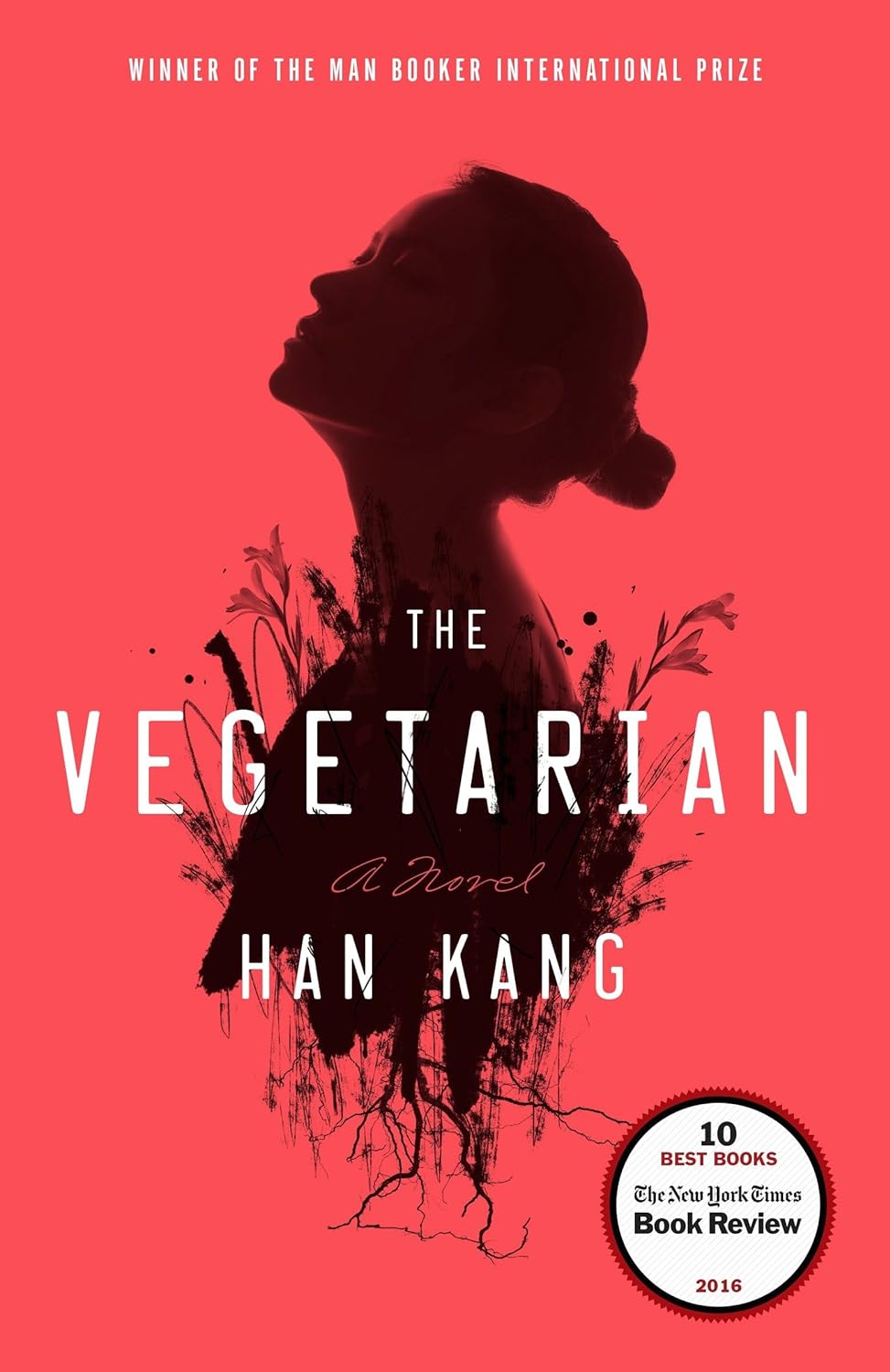
The Vegetarian
Hosted by Kathy Park & Mary Ann O’Donnell
The Godrinktea Book Club reads in order to understand what it means to be human in this world, today. We believe that discussing literature in a safe, but rigorously thoughtful community will help us better realize our unique purpose. We aim to cultivate through creative forums, awareness of how diverse practitioners specifically bring Buddhist insights into everyday life issues. Join our 2024 spring book club with reading and discussion of The Vegetarian by the acclaimed Korean writer Han Kang, translated into English by Deborah Smith.
Saturday, April 13 5PM PST & 8PM EST / Sunday, April 14, 8AM HKT, 9AM KST
Saturday, April 20 5PM PST & 8PM EST / Sunday, April 21, 8AM HKT & 9AM KST
Online via Zoom. Each session 2 hrs.
The Godrinktea series focuses on deepening our spiritual practice through online conversations that illuminate contemporary challenges, including:
- Increasing reliance on digital platforms to engage with one another,
- Cross-cultural misunderstandings within global Buddhism,
- The interstitial spaces that spark questions on identity and belonging,
- Working through and digesting these experiences as a spiritual path
In this series we will explore various art forms that can elucidate and give insights into our own personal and collective realizations and journeys.
The Vegetarian
We would like to invite you to join us to discuss the The Vegetarian (채식주의자) by Han Kang and translated into English by Deborah Smith. The book explores the possibility of non-violence in a world where survival depends upon eating other—often sentient—beings. A meditation on the possibility of non violence, the book serves as a point of departure for considering our relationship both to the foods that we eat and the ways in which modern societies produce food.
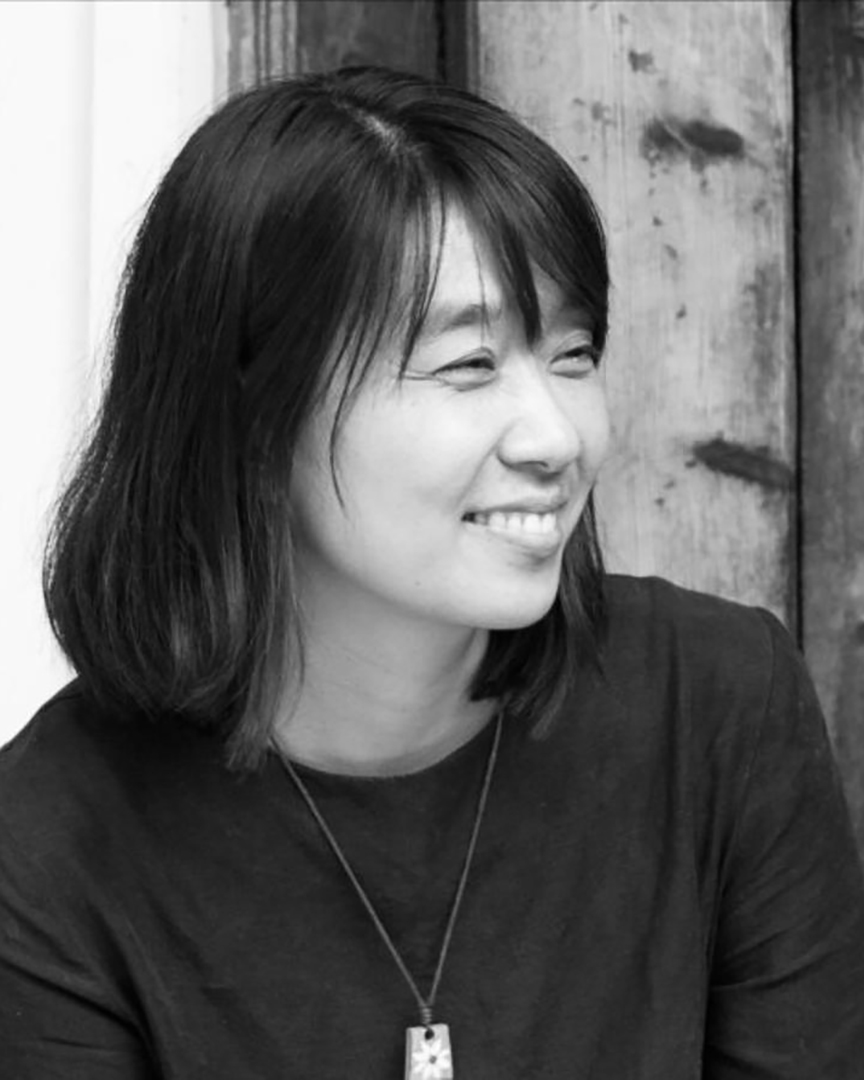
Han Kang
Born in South Korea in 1970, Han has been awarded the 2000 Today’s Young Artist Award, the 2005 Yi Sang Literary Award for her book Mongolian Mark, the 2010 Dong-ni Literary Award for Breath Fighting, and the 2014 Manhae Prize for Literature for her novel, Human Acts. The Vegetarian won the Man Booker International Prize for fiction in 2016.
The Vegetarian
We would like to invite you to join us to discuss the The Vegetarian (채식주의자) by Han Kang and translated into English by Deborah Smith. The book explores the possibility of non-violence in a world where survival depends upon eating other—often sentient—beings. A meditation on the possibility of non violence, the book serves as a point of departure for considering our relationship both to the foods that we eat and the ways in which modern societies produce food.
Han Kang
Born in South Korea in 1970, Han has been awarded the 2000 Today’s Young Artist Award, the 2005 Yi Sang Literary Award for her book Mongolian Mark, the 2010 Dong-ni Literary Award for Breath Fighting, and the 2014 Manhae Prize for Literature for her novel, Human Acts. The Vegetarian won the Man Booker International Prize for fiction in 2016.
Our hosts

Kathy Park
Zen teacher
A Zen Buddhist Practitioner for 23 years, Kathy received inka (permission to teach) in 2016 in the Kwan Um Zen tradition. Kathy is abbot and a co-guiding teachers of Kwan Um Zen Online and Zenseoul in South Korea. She focuses on Zen meditation and educational training programs for lay dharma teachers. Kathy has lived and practiced in various Zen centers and temples in Asia, Europe and the U.S. Her translation credits include co-editing and translating the Teachings of Man Gong and The Song of Zen by Kyong Ho from Korean into English.

Mary Ann O’Donnell
Anthropologist & educator
Artist-Ethnographer Mary Ann O’Donnell has sought alternative ways of inhabiting Shenzhen, the flagship of China’s post Mao economic reforms. Ongoing projects include her blog, “Shenzhen Noted” and the Handshake 302 Art Space. Her research has been published in positions: east asian cultures critique, TDR: The Drama Review, and the Hong Kong Journal of Cultural Studies.
Han Kang’s The Vegetarian
Course Description
The 2024 spring edition of the godrinktea book club examines the possibility of living a nonviolent life in our modern world. We are particularly interested in understanding the possibility of what Han Kang has referred to as living an innocent life. Hosts Kathy Park and Mary Ann O’Donnell bring their compelling questions and diverse insights as zen teacher and cultural anthropologist respectively. Both women have lived in, and continue to navigate between eastern and western worlds.
In session 1, we explore what it means to be human, not simply for ourselves, but also within our most intimate relationships from the perspective of the main character, Yong-hye. Han Kang has explained that she wrote the book in order “to deal with my long-lasting questions about the possibility/impossibility of innocence in this world, which is mingled with such violence and beauty.” The main character Yong-hye, refuses to engage in violent acts of eating meat, catalyzing a lyrically horrific exploration of what it means to be human. The text explores the chasms between Yong-hye’s attempt to live an “innocent” life and how her husband, brother-in-law and sister interpret this decision. The gaps between the characters’ understandings reveal the banality of violence, begging the question: Can we live a fully human life if we consume each other on a daily basis?
In session 2, we take the insights we have gleaned from Yong-hye’s story to explore the possibility of living a nonviolent life in our modern world. We explore questions such as: What is a nonviolent life? What are the consequences of deciding to live less violently? What impacts do ordinary actions have on the world?
For the discussion, we ask that participants take the time to meaningfully reflect on their own relationship to meat and consumption. How does Yong-hye’s experience resonate with your own? Following Han Kang’s lead, you may wish to imagine yourself as a plant, or perhaps as a cow. How does imagining the world from the perspective of “food” change our understanding of what it means to live a fully human life?
Book Club Reviews
Thanks very much for hosting this great book club, Godrinktea. I have been to other book clubs in the past but Godrinktea is quite unique. It is not about intellectual discussions on books but about discovering ourselves through the readings and sharing our experiences to allow wisdom to grow in our lives. A perfect Zen book club. I really like the respect, the authenticity, and insights shared among the participants. I look forward to the next gathering!
I had the pleasure of being part of the Godrinktea Book Club where we explored the amazing book On Earth, We’re Briefly Gorgeous by Ocean Vuong. The book selection was incredible, but more than anything the way that the discussions were led was the most wonderful part of the book club. Mary Ann and Kathy came to each gathering prepared with extremely thought-provoking questions that caused me to reflect on my life and how my own experiences might be seen in the main character of the book. What was most amazing about the experience was how Kathy and Mary Ann created an atmosphere and setting that allowed the group of attendees to immediately feel safe to share their own journeys in life and to feel comfortable to express their reactions and opinions on the book itself – even if they differed from the rest of the group. They guided us to feel the emotions of the journey of the main character and to be willing to reflect more deeply on our own journey and how we were connected to our spiritual journey as well as the impact of the people around us – both good and bad. I am looking forward to the next event and learning more about myself, my connection with the world around me and the importance of a spiritual path to lead a full life.